
A Conversation About Native Plants with Steven Eddington, INLC’s Preserve Manager
Some people find their way to conservation through a classroom or a cause. Steven found his on the banks of North Creek in Washington.
As a kid, he spent hours exploring that stretch of water — turning over rocks, learning the names of plants, and watching what lived in and around the creek. What he discovered there wasn’t just a fondness for nature, but something more: that places like North Creek are worth protecting, and falling in love with a place is often how that protection begins.
Today, Steven is Inland Northwest Land Conservancy’s preserve manager, spending his days caring for Glen Tana and Waikiki Springs — two landscapes closest to the heart of our community. For nearly four years, he’s worked alongside partners across the region on wildfire reduction, invasive species removal, and native plant restoration. Together with those partners and dedicated community volunteers, he helped build the Conservancy’s first native plant nursery and is now managing its expansion.

Why Native Plants Matter
Ask Steven about native plants, and he’ll likely start with the soil beneath your feet.
Native plants evolved here — in this soil and alongside the insects, birds, and animals that depend on them. That shared history means they require far less from us: less water and fertilizer, and far greater resistance to the diseases that trouble plants introduced from elsewhere. But what they give back is something no ornamental species can replicate. They provide food and forage for pollinators and birds, build insect habitat, stabilize streambanks, protect soils from erosion, and outcompete the invasive species that threaten to crowd out everything else.
For INLC, native plants are more than a landscaping choice. They are part of how conserved land stays healthy. Planting natives supports the same wildlife corridors and watershed functions that land protection creates. Whether it’s a restored meadow, a neighborhood common area, or a backyard garden, native plants help the land do what it has always done — sustain the living systems that everything else depends on.
Five Native Plants to Try in Your Space
Not sure where to start? Steven’s advice is simple: begin with research. Every native plant has its own requirements, and matching the right plant to the right conditions makes all the difference. (A word of caution: some natives, like quaking aspen and woods rose, spread aggressively — always consider how large or small a species will grow before you plant.)
With that in mind, here are five of Steven’s favorites for the Inland Northwest:
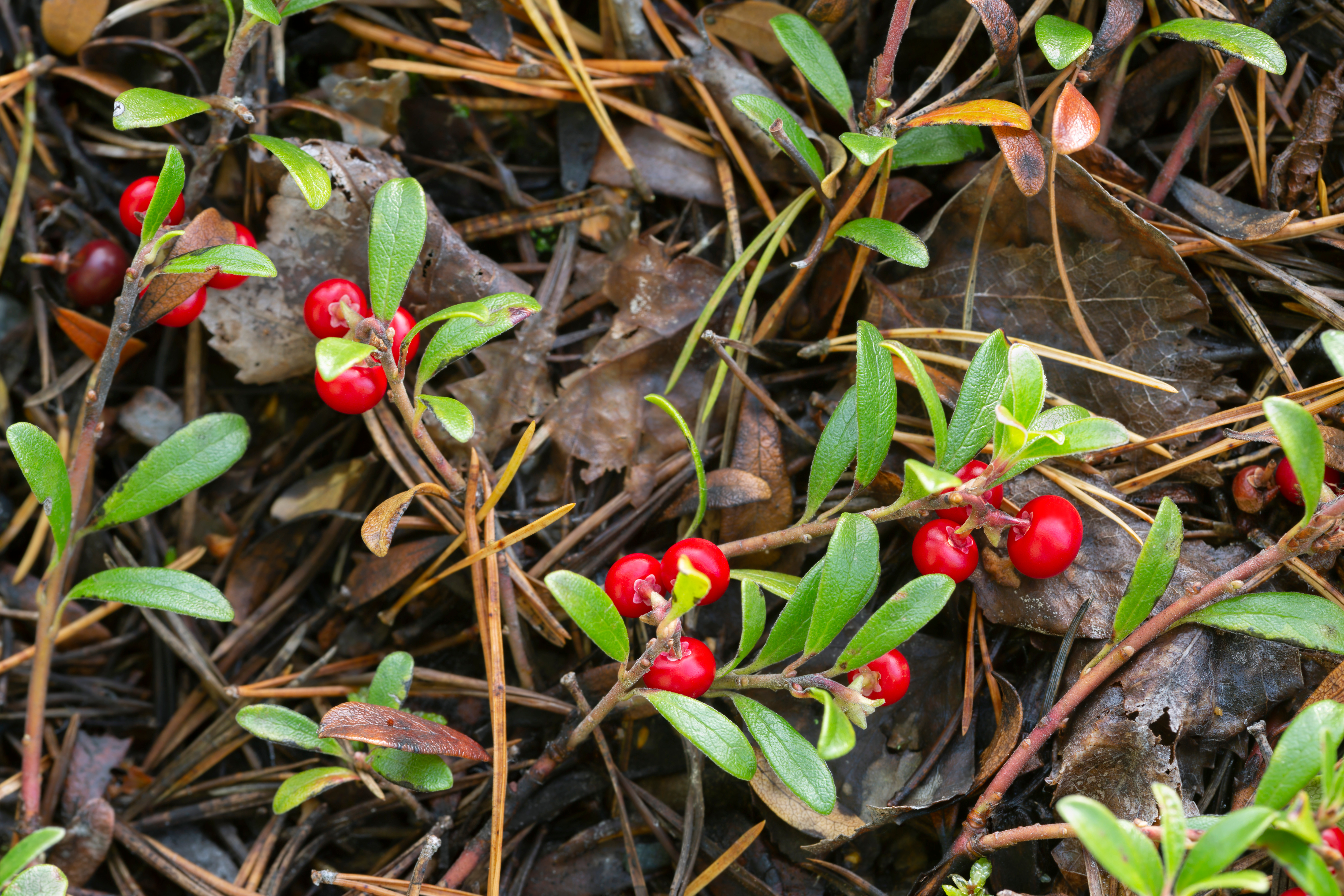
Kinnikinnick
If you’re looking for a ground cover, Kinnikinnick spreads low and dense, suppressing weeds while providing year-round color. Its small berries are an important food source for wildlife, and its tolerance for dry, rocky conditions makes it ideal for slopes and edges.
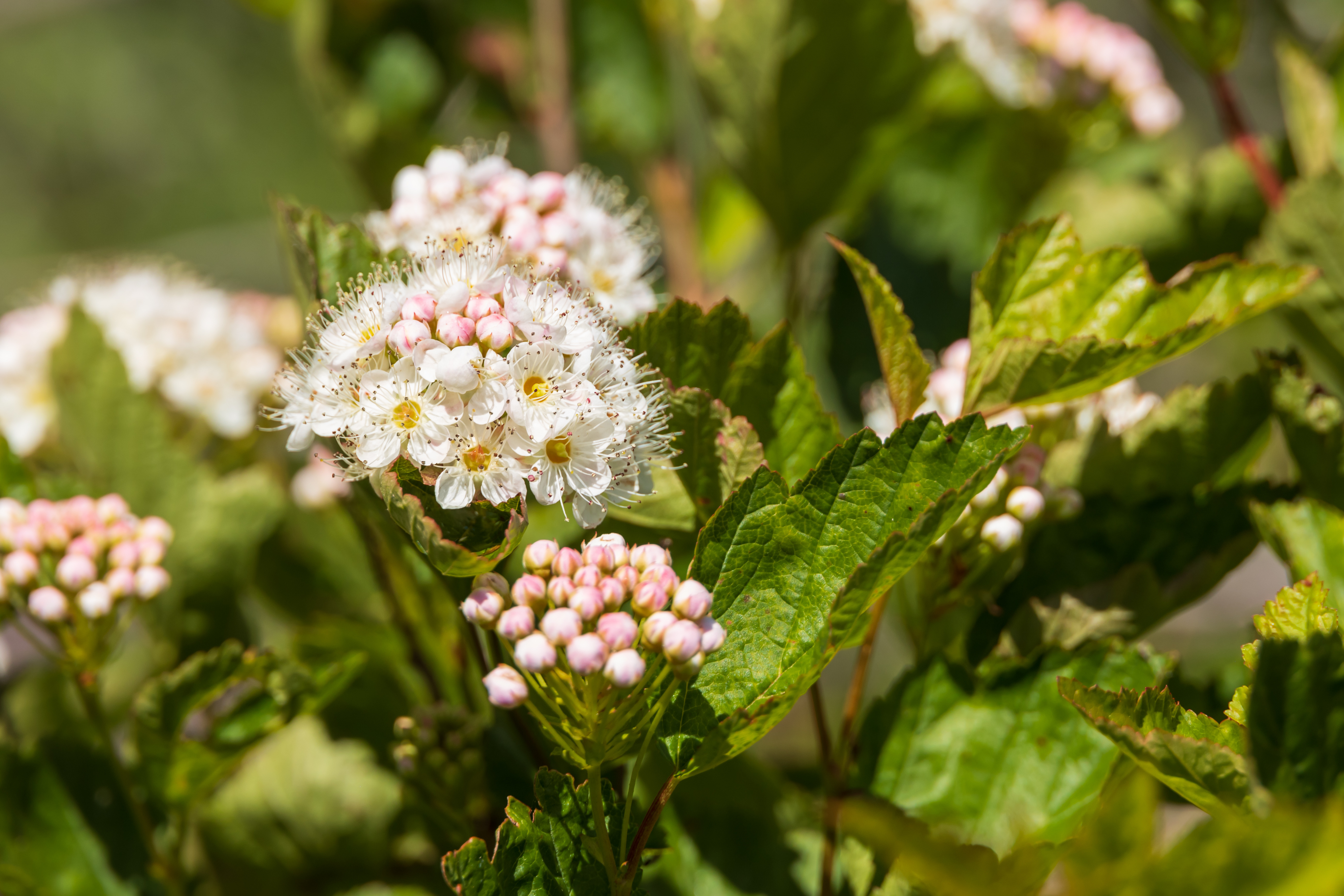
Mallow Ninebark
A shrub with character — its bark peels back in layers, nine deep according to local lore, revealing colors beneath. Hardy and adaptable, ninebark provides excellent structure and wildlife value, offering shelter and food for birds and insects across the seasons.
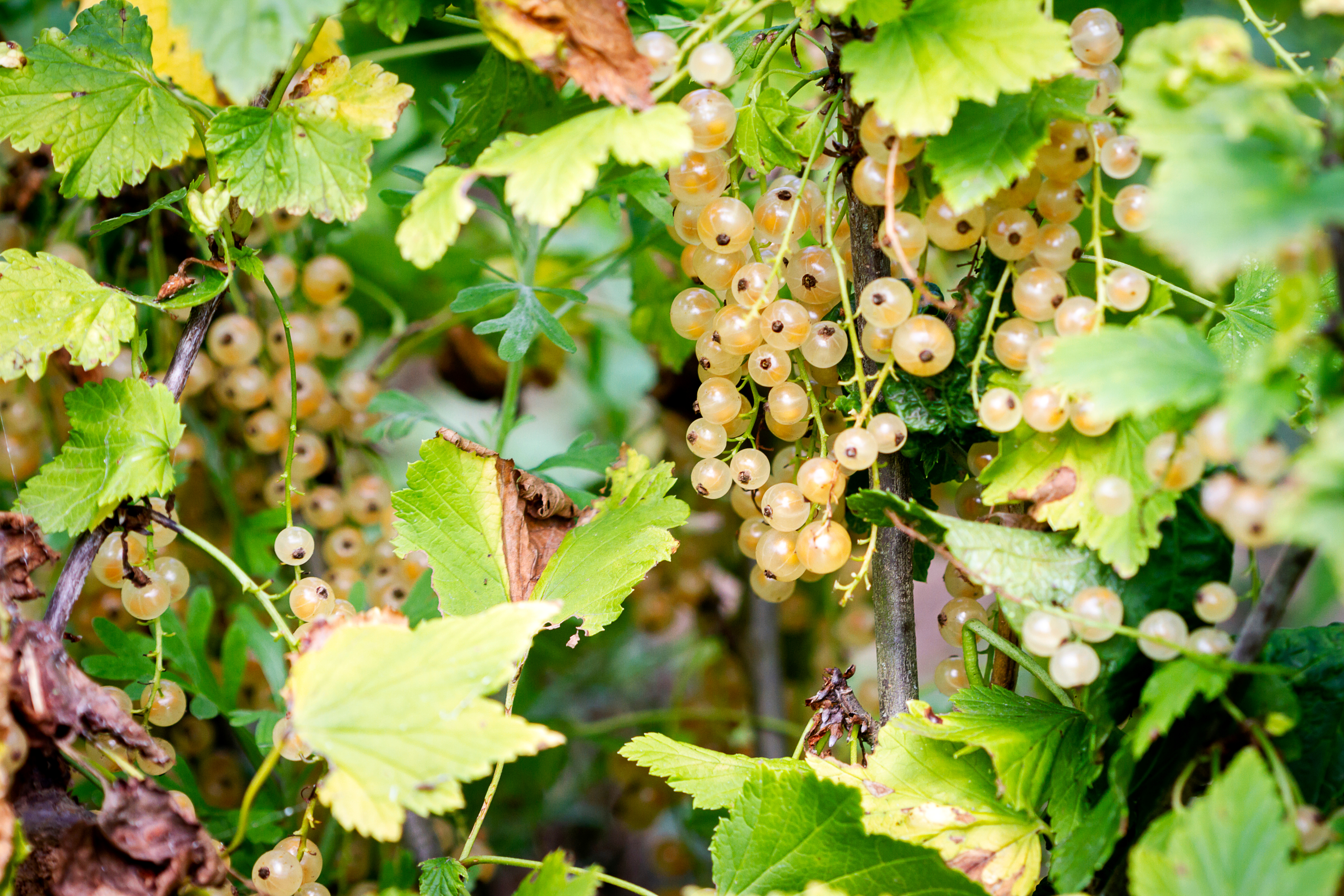
Golden Currant
Golden currant earns its place with bright yellow flowers arriving early in spring. A welcome signal to pollinators emerging from winter, with its berries following in summer, offering food for wildlife and people alike. Drought-tolerant.
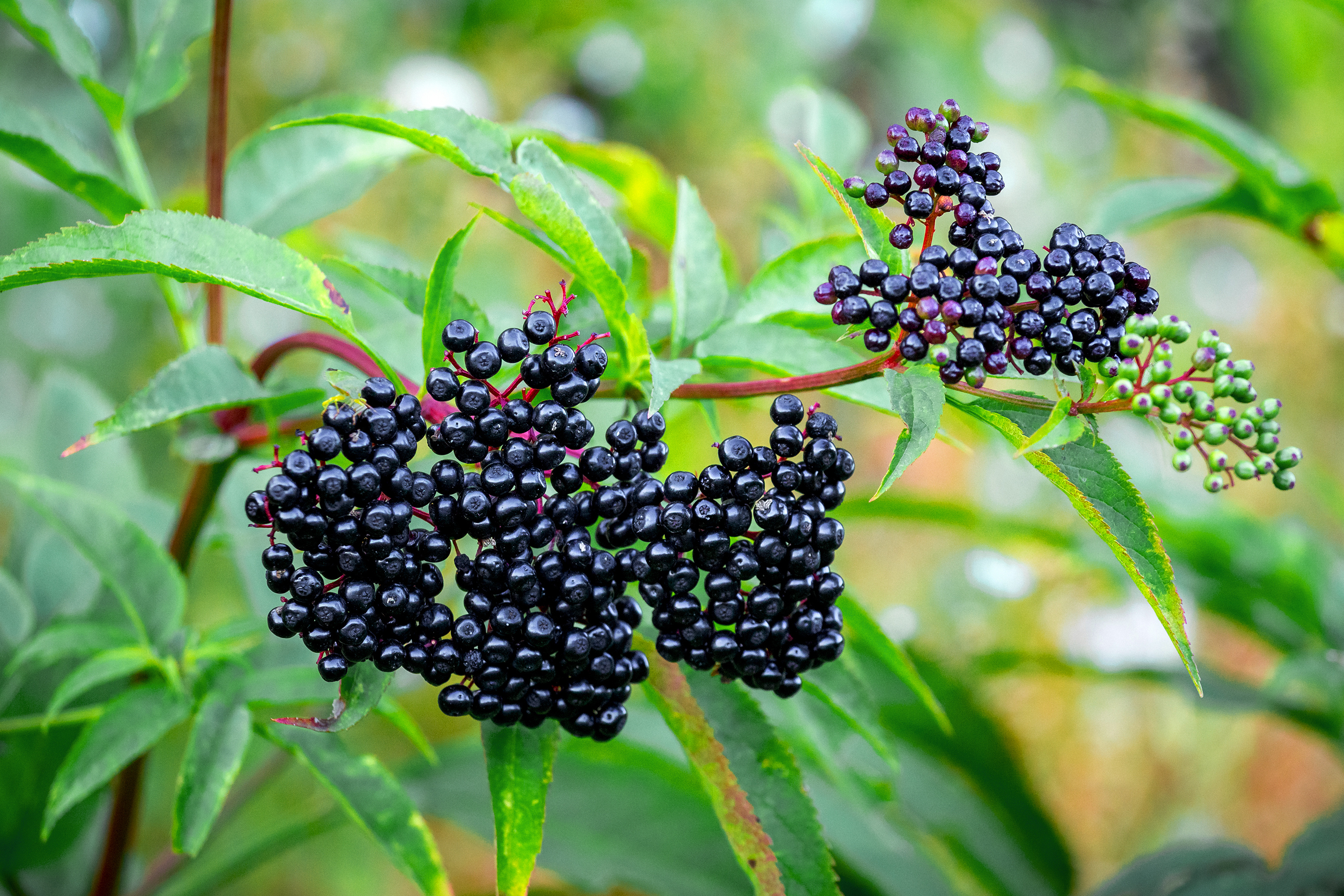
Blue Elderberry
Few plants give as generously as elderberry. Its clusters of blue-black berries are beloved by birds, and its flowers support a wide range of pollinators. It grows vigorously in moist, sunny spots and rewards patience with abundance.
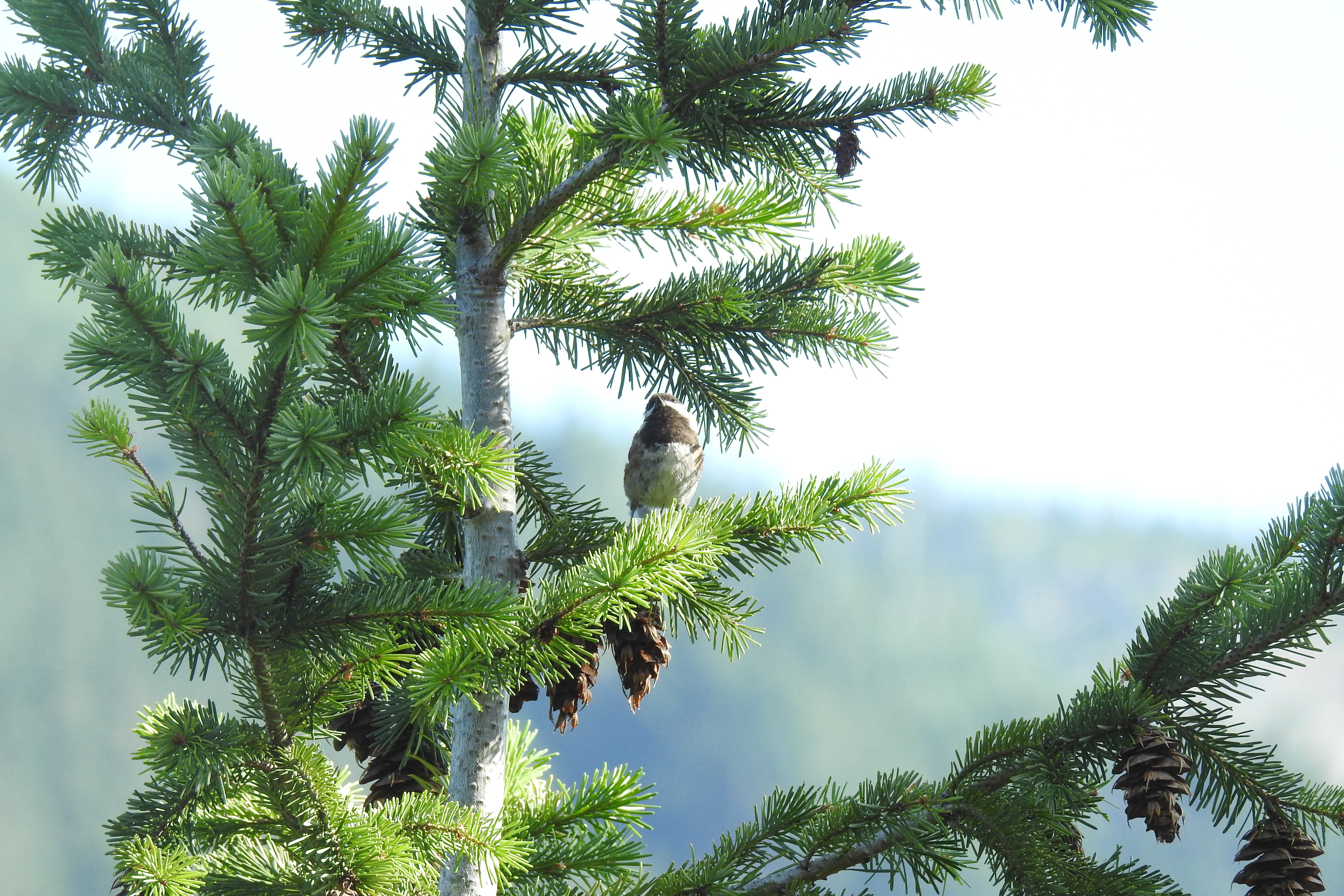
Douglas Fir
Douglas Fir’s canopy provides partial shade that shelters understory plants and moderates soil temperatures, creating the conditions other species need to thrive. Over time, it becomes habitat for birds and insects, and the whole community of life that a mature tree supports.
Interested in learning more about native plants or supporting INLC’s native plant nursery? Reach out to us at info@inlandnwland.org or check out the Washington and Idaho Native Plant Societies at idahonativeplants.org and wnps.org.